


Physiotherapy in a Chronic Pain Service - Mr Gavin Walsh: Lead Specialist Physiotherapist at the Chelsea and Westminster Hospital
Assessments and treatments for Musculoskeletal pain conditions have traditionally strived to identify structural or movement impairments which can be fixed. Developments in subjective questioning, physical examination and diagnostic investigation have provided great success for the majority of acute injuries and pain. The biomedical model has been the dominant model for many a year and for the most part has provided good value from the National Health service, for those seeking help.
Unfortunately, evidence would inform us that approximately 15-25% of acute pain presentations persist to become a chronic condition; long after tissue healing is complete. Whilst it is important to ensure there is no significant sinister pathology causing the painful symptoms it is often detrimental to keep the treatment focused on fixing a structural problem through passive treatments and multiple diagnostic investigating. As with other long term health conditions (eg diabetes) the focus should shift towards helping people live well with pain in order to positively influence its impact on their lives. Waiting for the pain to stop inevitably leads to more pain and secondary physical and psychological problems. Such as muscle weakness, joint stiffness, weight gain, anxiety, depression and disengagement from important life activities.
We know that people in pain have tried very hard to ‘fix’ their pain problem, often at great time and financial sacrifice. When people attend an interdisciplinary pain service they are offered an alternative Biopsychosocial model of care. The aim of which is to help them begin rebuilding their lives alongside their painful symptoms, utilising expert medical, physical and psychological knowledge.
We start most interventions with education modules. We teach people about the pain system and the difference between acute pain that’s essential and adaptive to keeping us safe, and chronic or persistent pain which is less adaptive and providing too much protection. We explore how other factors such as stress and sleep interact to amplify the pain experience and influence a person’s ability to make steps towards recovery. When people realise that persistent pain is not a sign of new or on going damage and they can be less fearful of the impact it might have then they can start to move and be more active and engaged in their lives despite it.
Helping people to understand the meaning of their symptoms and what the MRI findings mean, relative to findings we see in pain free populations. Helping people to move with confidence and build strength to be a better partner, parent or employee are what an interdisciplinary pain service strives to deliver.
Where can we improve? Appropriate early intervention is paramount. Over reliance on medication and passive medical intervention alone is not working for some pain sufferers. We need to look at optimising the skills and experience of the Allied Health Professions workforce. First contact practitioners with specialist pain experience can help people at the start of their problem not years down the line when chronicity is established. Improved pathways across primary, secondary and tertiary care services to ensure knowledge and expertise is shared across the sector. Investment in support for long term conditions at a community level so that those that need the support can access it over the long term rather than reacting to crisis and flare up situations. Life can be better for Persistent Pain sufferers, if the people and the health system can step towards the Biopsychosocial model of care.
Delivering Physiotherapy during COVID times: Like everybody, physiotherapists have had to be innovative with its response to work force pressures whilst continuing to provide support to the people with persistent pain. The up scaling of video conferencing and telehealth has had its challenges but for the most part the on-going support to people in pain during these difficult times has been invaluable. Face to face and virtual Physiotherapy services have advanced rapidly during COVID and we have to hope the positive changes that have been implemented continue to form part of the future strategy for the management of persistent pain and other long term health conditions.
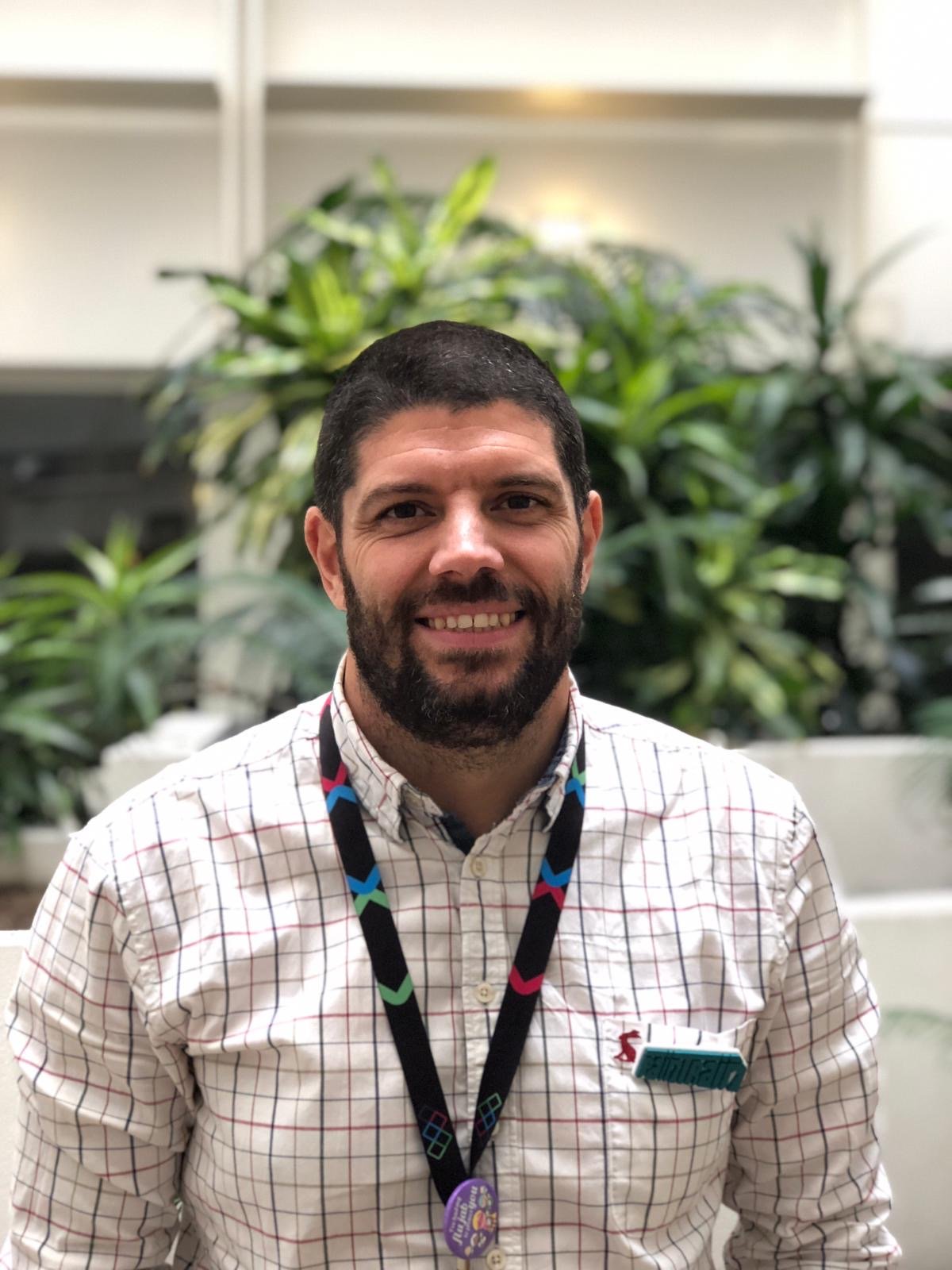
Content provided by Mr Gavin Walsh:
Lead Specialist Physiotherapist at the Chelsea and Westminster Hospital


